Why Your AC Condenser is Making a Humming Noise
Worried about an AC condenser humming noise? Learn causes like bad capacitors or contactors in the Twin Cities. Fast repairs by licensed MN technicians.
Key takeaways
The 30-second version
- A soft hum is often the compressor motor running normally, but loud buzzing indicates electrical failure.
- Common culprits include failing start/run capacitors, seized contactors, or loose wiring connections.
- Frozen coils from low refrigerant can cause the motor to hum as it struggles to push coolant.
- Always shut off the breaker if you hear a sharp electrical crackle or a loud, persistent metallic buzz.
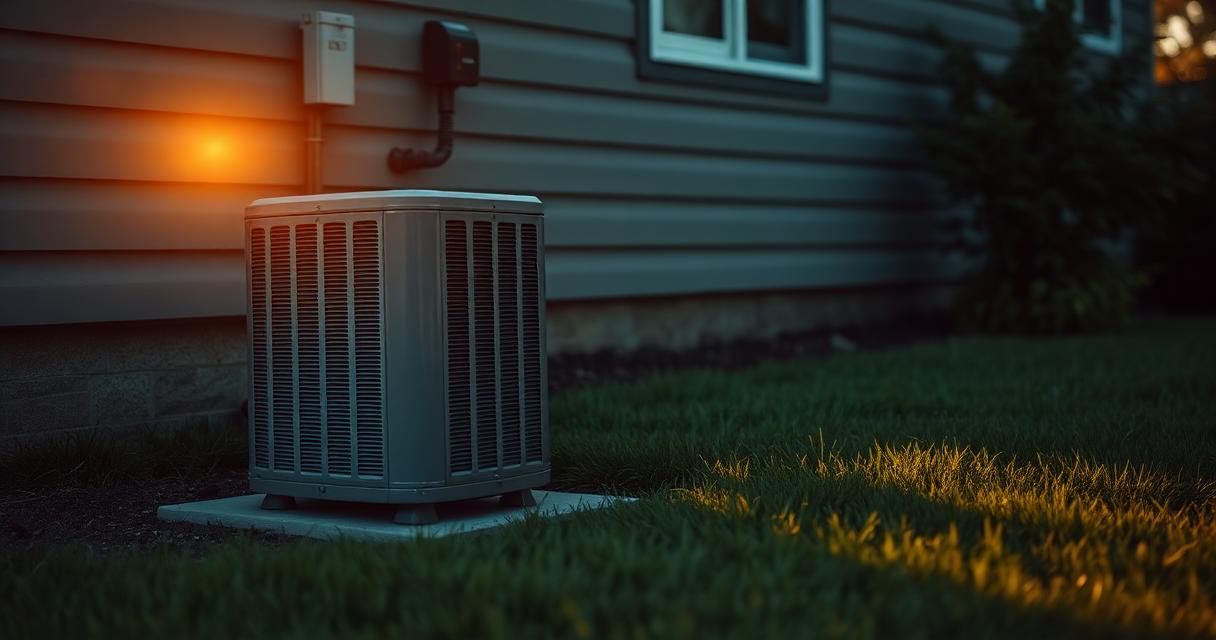
An AC condenser humming noise typically indicates an electrical issue, such as a failing capacitor or a seized contactor, or a mechanical strain on the compressor motor. While a low-level hum is normal for operating units, a loud, persistent, or rhythmic buzzing requires immediate attention to prevent a total system burnout. In the Twin Cities, where summer humidity frequently pushes heat indices above 90°F, a straining unit can fail quickly if these sounds are ignored.
Is it normal for an AC condenser to hum?
Yes and no. Every air conditioner makes some level of noise. A standard cooling system involves a high-powered compressor and a large fan motor. When these are running, a steady, low-frequency hum is expected. This is simply the sound of electricity powering the copper windings in the motors and the faint vibration of the refrigerant lines.
However, there is a distinct difference between the 'purr' of a healthy Trane or Carrier unit and a distressed hum. If the sound is loud enough to be heard clearly from inside the house, or if it sounds like a swarm of bees, you are likely dealing with a component failure. In homeowners' experience across Minneapolis and Saint Paul, unusual noises are often the first warning sign before a complete cooling failure occurs during a heatwave.
What causes a loud buzzing or humming noise?
The most common cause of an AC condenser humming noise is a failing capacitor. The capacitor is a small cylindrical component that stores electricity and provides the 'jolt' needed to start the compressor and fan. When it weakens, the motor tries to draw power but cannot start, resulting in a loud hum.
Common causes include: Failed Capacitor: The most frequent repair. The motor receives voltage but lacks the torque to spin. Contactor Issues: This is the switch that tells the unit to turn on. If the silver points on the contactor pit or weld together, it can cause an electrical hum or chatter. Loose Wiring: Minnesota's extreme temperature swings (from -20°F in winter to 95°F in summer) cause metal to expand and contract. Over time, electrical connections can loosen, leading to 'arcing' and buzzing. Seized Fan Motor: If debris like cottonwood seeds or sticks jams the fan, the motor will hum as it tries to spin against the obstruction. Refrigerant Piping Vibration:* If the copper lines are not properly insulated or secured, they can vibrate against the unit's cabinet, creating a metallic humming sound.
How to diagnose the sound based on timing
When the noise occurs tells us a lot about the culprit. Pay attention to the following scenarios:
- Humming but the fan isn't spinning: This is almost certainly a bad capacitor or a dead fan motor. The hum is the sound of the motor burning up because it can't move.
- Humming when the unit is OFF: This indicates a stuck contactor. The unit is trying to pull power even when the thermostat isn't calling for cooling. This can lead to your coils freezing solid.
- Rhythmic clicking and humming: This usually points to an electrical relay or contactor failing to engage properly.
| Component | Typical Sound | Estimated Lifespan (Years) | | :--- | :--- | :--- | | Run Capacitor | Constant loud hum / Buzz | 5 - 10 | | Contactor | Clicking or 'chattering' | 8 - 12 | | Fan Motor | Grinding or high-pitched hum | 10 - 15 | | Compressor | Deep, vibrating groan | 12 - 20 | | Loose Screws | Tinny, rattling hum | N/A |
Can frozen coils cause a humming noise?
Surprisingly, yes. If your system is low on refrigerant or has a dirty air filter, the evaporator coils inside the house can freeze. This creates 'slugging' in the outdoor compressor. The compressor is designed to pump gas, not liquid. When it tries to compress liquid refrigerant (or faces extreme pressure imbalances), it will produce a strained, heavy humming noise. If you notice ice on the copper lines in your Woodbury or Eagan backyard, shut the system down immediately to avoid destroying the compressor—the most expensive part of your AC.
When should you call a professional?
If the hum is accompanied by a 'trip' of your circuit breaker, do not keep flipping the switch back on. A circuit breaker trips to prevent an electrical fire. Continuous humming indicates that a component is drawing too much amperage. In our service area, which includes western Wisconsin towns like Hudson, WI, we recommend regular maintenance to catch these issues before they start. During a pro tune-up, we test the 'microfarads' of your capacitors; if they are out of range, we replace them before they leave you without air on a 90-degree day.
Diagnostic Checklist for Homeowners: 1. Check the outdoor disconnect box for any signs of charred plastic or burning smells. 2. Ensure the outdoor fan is clear of debris (leaves, sticks, or 'Minnesota snow' aka cottonwood). 3. Listen to whether the sound is coming from the top (fan) or the bottom/side (compressor). 4. Check your indoor air filter; a clogged filter stresses the entire system, leading to unusual vibrations.
The cost of ignoring the hum
Ignoring a $200 capacitor repair can quickly lead to a $2,500 compressor replacement. Brands like Mitsubishi, Rheem, and Goodman all rely on precise electrical tolerances. When a capacitor fails, the motor runs hotter than it was designed to. This heat breaks down the internal lubrication of the compressor. Eventually, the compressor 'shorts to ground,' and the entire outdoor unit must be replaced.
At Central Minnesota Heating & Cooling, we provide a flat $129 diagnostic fee for all service calls. If you choose to move forward with the repair we recommend, that $129 fee is completely waived. We believe in transparent pricing and getting your home back to a comfortable temperature without hidden costs.
If your AC is sounding more like a refrigerator from the 1970s than a modern cooling system, it is time to have a licensed technician take a look. Whether you are in a historic Saint Paul home or a new build in Plymouth, we have the tools to silence the hum and restore your efficiency.
Contact Central Minnesota Heating & Cooling today to schedule your diagnostic visit and keep your home cool all summer long.
— Frequently asked
Quick answers on cooling
Is a humming AC condenser dangerous?
It can be. If the hum is caused by a seized motor or electrical short, it can lead to a fire or complete system burnout. If the hum is accompanied by a burning smell or tripped breakers, shut the unit off immediately.
What does a bad AC capacitor sound like?
A failing capacitor usually produces a loud, rhythmic humming or buzzing sound while the fan blades remain stationary. You might also hear a 'click' as the relay tries to engage the motor without success.
Can I fix a humming AC myself?
Most causes involve high-voltage electricity or pressurized refrigerant. Homeowners can check for debris or loose panels, but electrical repairs (capacitors/contactors) should be handled by a licensed professional to ensure safety and warranty compliance.
Why is my AC humming but not blowing cold air?
This typically indicates the compressor is trying to start but failing (hard start), or the fan motor is seized. The humming is the sound of electricity flowing into a motor that cannot rotate.
— Tags
Need real-world help?
Same-day Twin Cities HVAC service.